
FAQs
Frequently Asked Questions
Regulatory and licensing
-
CNP has been established specifically to license and develop nuclear projects in the UK, and is led by a founding team with unparalleled experience in acquiring, holding and operating UK nuclear site licences. Collectively, the team has secured and operated more nuclear licensed sites than any comparable active group, and has delivered multiple first‑of‑a‑kind programmes within the UK regulatory framework. Licensing and permitting are treated as value‑creating development activities and form a core part of the four‑year pre‑construction phase.
-
CNP’s Teesside project, Tees Community Power Company, is in its structured development and licensing phase. Preparatory Development Consent Order (DCO) activities have commenced, preliminary regulatory engagement is underway, and site‑specific assessments have been carried out. The development phase is designed to convert the project from feasibility into a fully licensed, privately held, shovel‑ready nuclear site before construction capital is committed.
-
The project will deploy four Westinghouse AP300®™ SMRs, a scaled‑down derivative of the AP1000®™ reactor that is already licensed and operating internationally. The AP300®™ has been approved to enter the UK’s Generic Design Assessment process. Basing the project on a mature reactor design materially reduces technology, safety case and regulatory risk compared with novel or untested systems.
-
As a nationally significant infrastructure project, TCPC will progress through the UK’s established planning and consenting process. The site benefits from early planning and permitting activity, known environmental baselines and prior industrial use. This significantly reduces uncertainty compared with undeveloped or greenfield locations, and supports a predictable planning pathway.
-
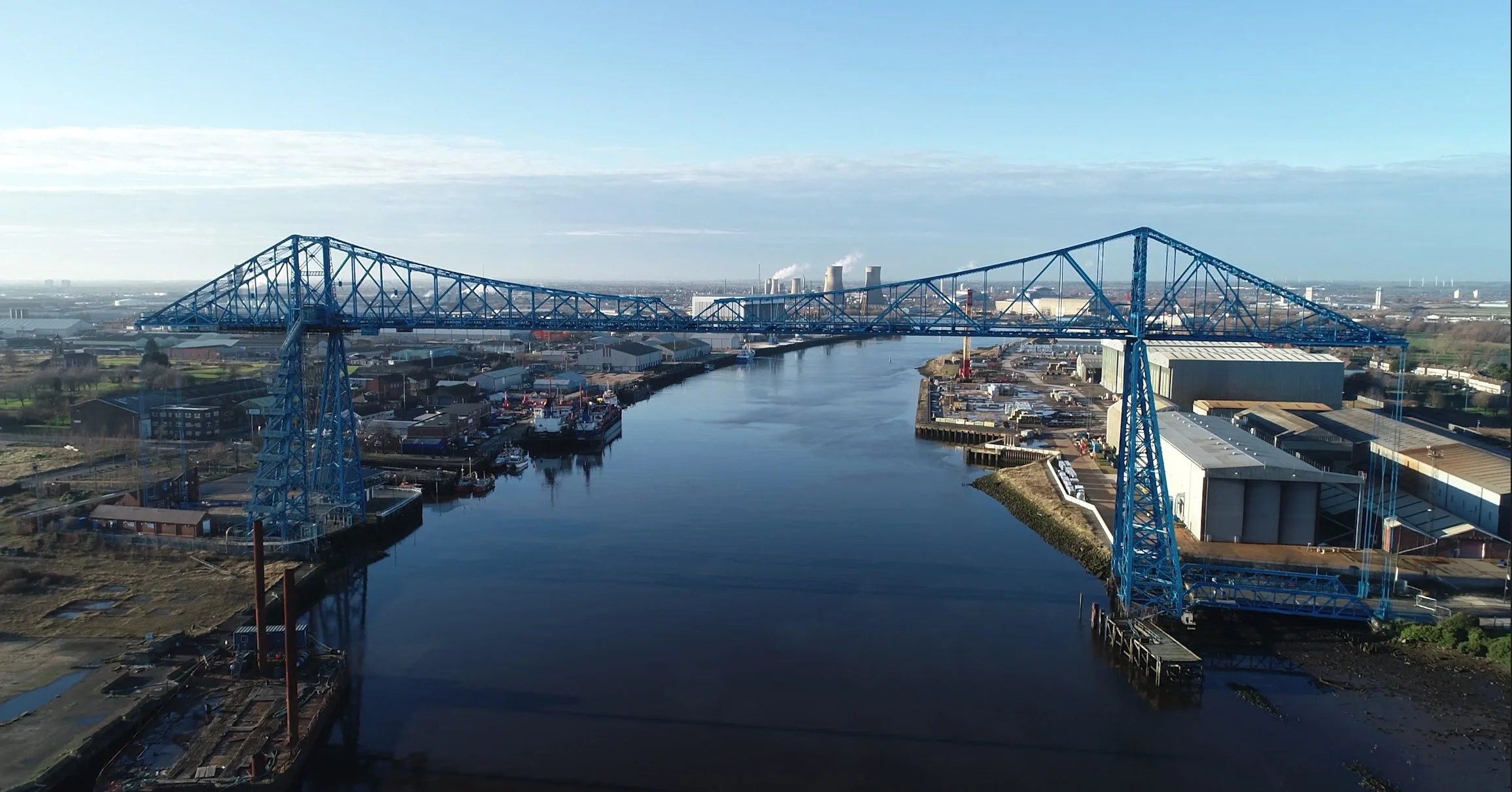
The Teesside site is a remediated former chemical works within a 500‑acre integrated industrial estate on which data centres and power‑to‑fuels facilities are planned. Ground conditions are well understood; existing grid, transport and water infrastructure are in place; and environmental baselines are established. These factors materially reduce early‑stage planning, construction and delivery risk.
Planning and site development
Community and stakeholder engagement
-
Community engagement is a core deployment requirement alongside land, technology, finance and offtake.
CNP has engaged early with local stakeholders, regional authorities and industrial partners. The project aligns closely with the Tees Valley Local Industrial Strategy, which prioritises clean energy, skills development and industrial regeneration.
-
CNP works closely and proactively with local authorities, regional leadership and relevant government bodies throughout the development lifecycle. Engagement is focused on ensuring projects align with local industrial strategies, economic priorities and long‑term energy needs.
For the Teesside project, CNP has established early and ongoing dialogue with the Tees Valley Combined Authority, local MPs, and both national and regional stakeholders, and the project benefits from strong support. This collaborative approach helps ensure transparency, alignment and long‑term confidence as projects move from development through to delivery and operation.
-
CNP’s projects are designed to anchor long‑term industrial activity. Benefits include construction and operational jobs over an 80–100-year asset life, along with workforce training, supply‑chain participation, and inward investment linked to reliable clean power.
CNP is exploring structures that enable host communities to share directly in long‑term project value.
-
The project is fully privately funded and does not rely on public capital or subsidies. It is underpinned by structural demand for secure and reliable power ,driven by electrification, data centres and industrial decarbonisation.
While current UK policy is strongly supportive of nuclear and SMRs, CNP’s base case assumes existing policy frameworks only, providing a conservative foundation with potential upside from regulatory reform.
-
No. CNP’s SMR programme is privately financed.
While the project has entered the UK Government’s Advanced Nuclear Framework and Advanced Nuclear Pipeline, which may provide in‑principle endorsement or future revenue support mechanisms, the project is structured to proceed without public funding and without cost to taxpayers.
Political and policy risk
Quick links to other sections